
Cotton Saree Care in Monsoon: Wash, Dry and Store the Right Way
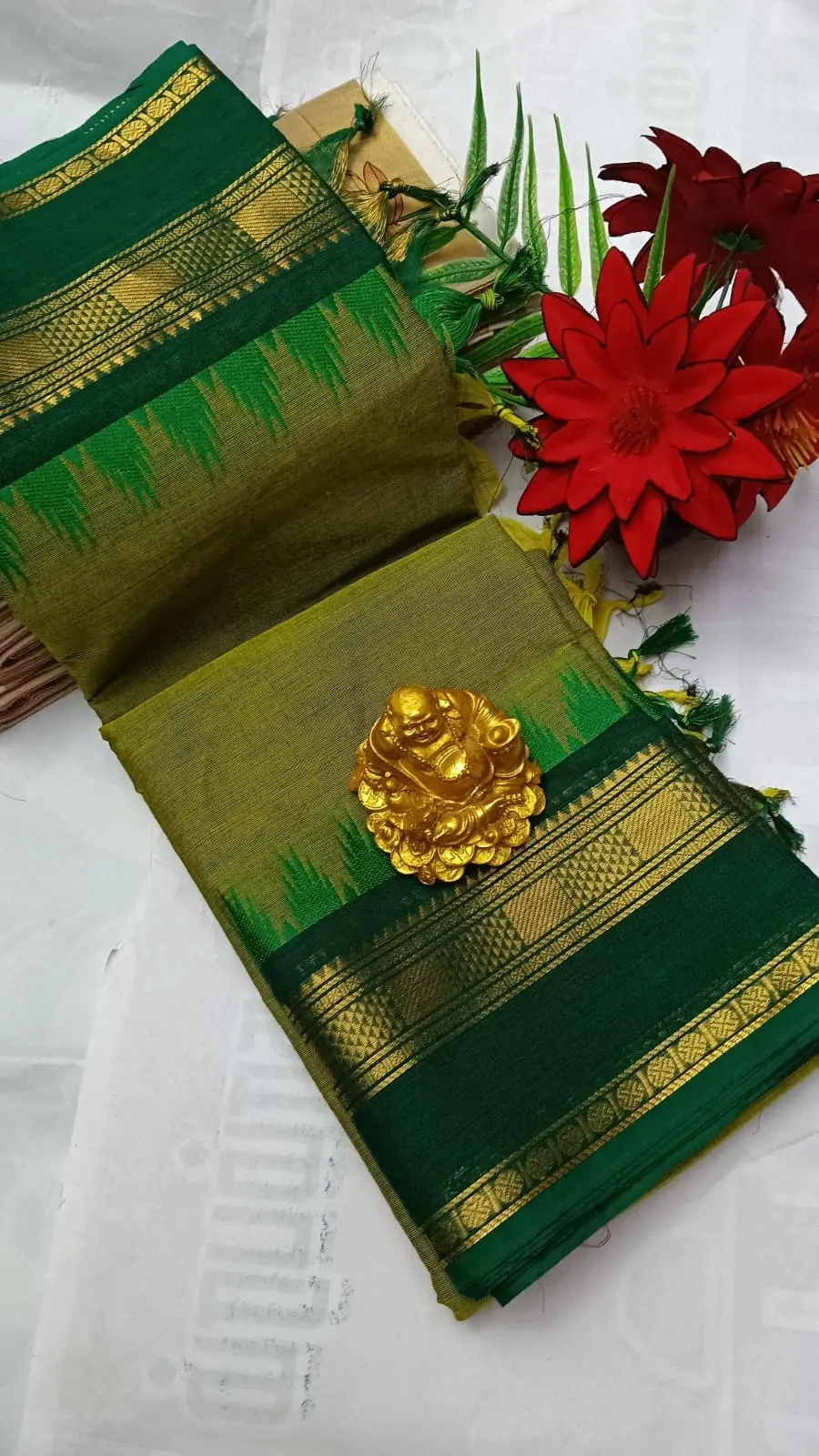
Cotton sarees are the everyday favourite of Tamil Nadu homes, from office days to temple visits. But the rainy months bring a challenge: clothes take longer to dry, and damp air can leave a musty smell. Good cotton saree care in the monsoon is not difficult. With a few simple habits for washing, drying, starching and storing, your handloom and soft cotton sarees can stay fresh and bright through the wet season and beyond.
Table of Contents
Why cotton saree care matters in the rainy season
Cotton is a natural fabric that breathes well and feels light. It also absorbs moisture easily. In humid weather, a saree that is folded while slightly damp can develop a stale smell or small dark spots of fungus. Colours can also bleed more when a saree stays wet for a long time.
The good news is that most problems come from a few common mistakes. Washing too often in strong detergent, drying in a closed room, and storing in plastic covers are the main ones. Once you change these habits, cotton saree care becomes easy, even in the wettest weeks of the Tamil month of Aippasi or Karthigai.
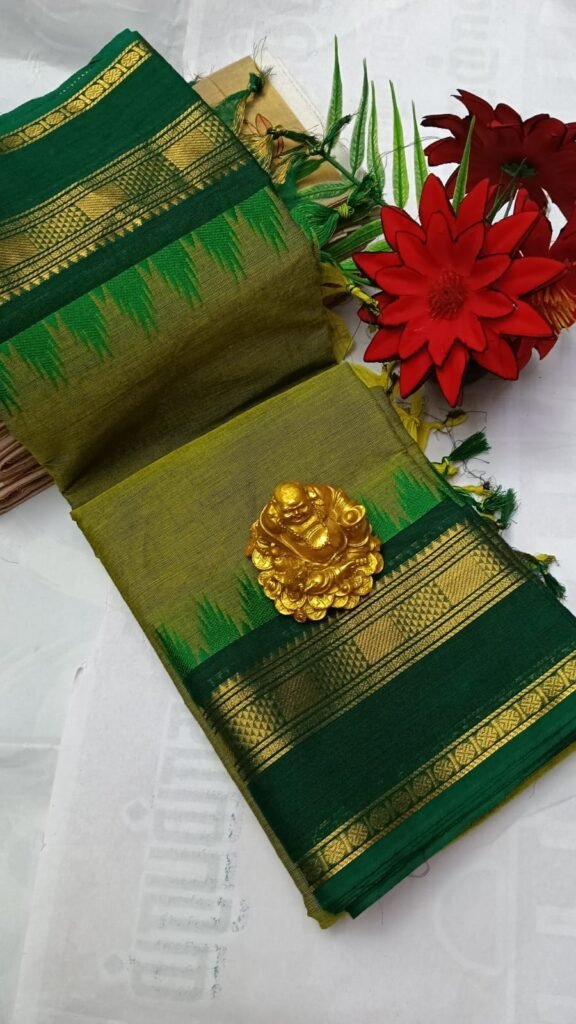
Washing cotton sarees gently
The first wash
New handloom cotton sarees often release some colour in the first few washes. Many families soak a new saree in cold water with a little rock salt for some time before the first wash. This is a traditional practice; read the seller’s care notes on the product page as well, and follow them first.
Wash the first time on its own, never with light coloured clothes.
Regular washing
- Use cold or room temperature water.
- Choose a mild liquid detergent or a gentle soap.
- Do not soak for long hours; a short soak is enough.
- Wash by hand or on the gentle cycle in a mesh bag.
- Do not rub the zari border hard or twist the saree while squeezing.
- Rinse well, so no soap stays in the fabric.
If a saree is only lightly used, you can simply air it out instead of washing it. Fewer washes help the colour and weave last longer.
How to dry cotton sarees in humid weather
Knowing how to dry cotton sarees properly is the most important part of monsoon care. Here are simple steps:
- Squeeze out water gently by pressing, not wringing.
- Shake the saree out once to remove creases.
- Hang it open along its length, not folded in a small bunch.
- Dry in shade with good air flow. Strong direct sun can fade colours, so shade is better whenever possible.
- On rainy days, dry indoors near an open window or under a running fan.
- Turn the saree once so both sides dry evenly.
- Make sure the saree is fully dry before folding, especially at the border and pallu, which are thicker.
A wide clothes stand or two parallel ropes help a six-yard saree dry faster than a single line. Avoid drying sarees in a closed bathroom, where the air stays wet.

Starching and ironing for a crisp look
Many women love the neat, crisp look of a starched cotton saree. Traditionally, rice kanji (the starchy water from cooked rice) is used as a home starch. Ready starch powders are also available.
- Starch only after the saree is clean.
- Use a light starch in the monsoon. Heavy starch can hold moisture and attract insects in storage.
- Dry the starched saree in shade, then iron while it is very slightly damp for a smooth finish.
- Iron on the reverse side, especially over printed or zari areas.
- Use the cotton setting on your iron, and keep a thin cloth over delicate borders.
If you will not wear a saree for a while, store it without starch. Starch it fresh before the next use.
Saree storage that keeps the smell away
Good saree storage is as important as washing. A well-washed saree can still turn musty in a damp cupboard.
Simple storage habits
- Store sarees only when they are fully dry and cool after ironing.
- Wrap each saree in a soft cotton or muslin cloth, or keep it in a cloth bag.
- Avoid plastic covers for long-term storage, as they trap moisture.
- Many families keep dried neem leaves or a small cloth pouch of cloves in the cupboard. This is a traditional way to keep insects away.
- Keep a small gap between sarees so air can move.
- Do not place cupboards against walls that feel damp in the rainy season.
Refolding and airing
Fabric can weaken along the same fold lines over time. Every month or two, open your stored sarees, air them in a shaded spot for some time, and refold them in a different way. This simple habit also gives you a chance to check for any smell or spots early.
Common cotton saree mistakes to avoid
- Washing a new dark saree with light clothes.
- Leaving a wet saree in a bucket or washing machine for hours.
- Drying in harsh afternoon sun every time.
- Folding a saree that is still slightly damp.
- Spraying perfume directly on the fabric.
- Storing sarees in plastic covers through the monsoon.
Avoiding just these few mistakes is the heart of good cotton saree care in the monsoon. If you are adding new sarees to your collection, browse sarees and saree collections from local weavers and sellers on ShopC. Before you buy, our guide on how to buy sarees online explains what to check in a listing, and ShopC sellers can answer your questions about fabric and care.

Frequently asked questions
Here are quick answers to common questions about caring for cotton sarees.
How often should I wash a cotton saree?
Wash it when it is soiled or after a few wears. If it is only lightly used, airing it in the shade is often enough.
Can I dry cotton sarees in direct sunlight?
Short sun is fine, but long hours in strong sun can fade colours. Drying in shade with good air flow is a safer habit.
What is the best way to store cotton sarees in the rainy season?
Store them fully dry, wrapped in cotton cloth or a cloth bag, away from damp walls, and air them every month or two.
More from the blog

Protect Phone in Rain: Simple Monsoon Phone Care Tips at Home
Learn how to protect phone in rain with a mobile rain cover, simple monsoon phone care habits, wet p…
View more →
Herbal Tea for Rainy Days: Warm Drinks for Monsoon Evenings
Herbal tea for rainy days: how to brew hibiscus tea, blue pea tea and sukku malli coffee at home, wi…
View more →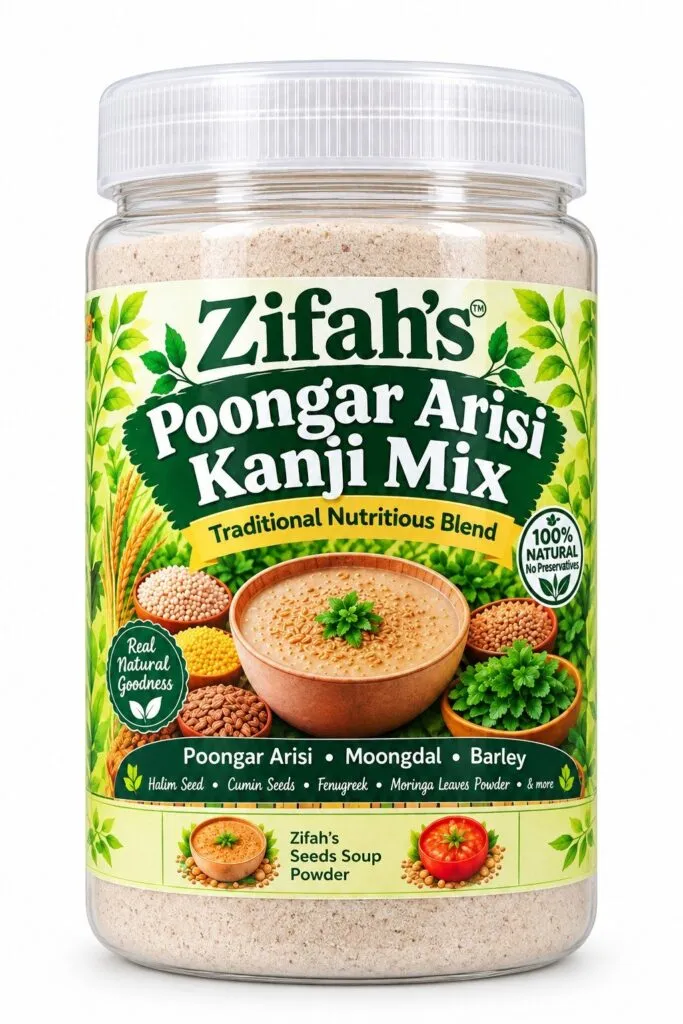
Kanji Mix for Breakfast: Easy Traditional Porridge Ideas
Kanji mix for breakfast made simple: poongar, rathasali and multigrain porridge mixes, sweet and sav…
View more →