
Kanji Mix for Breakfast: Easy Traditional Porridge Ideas
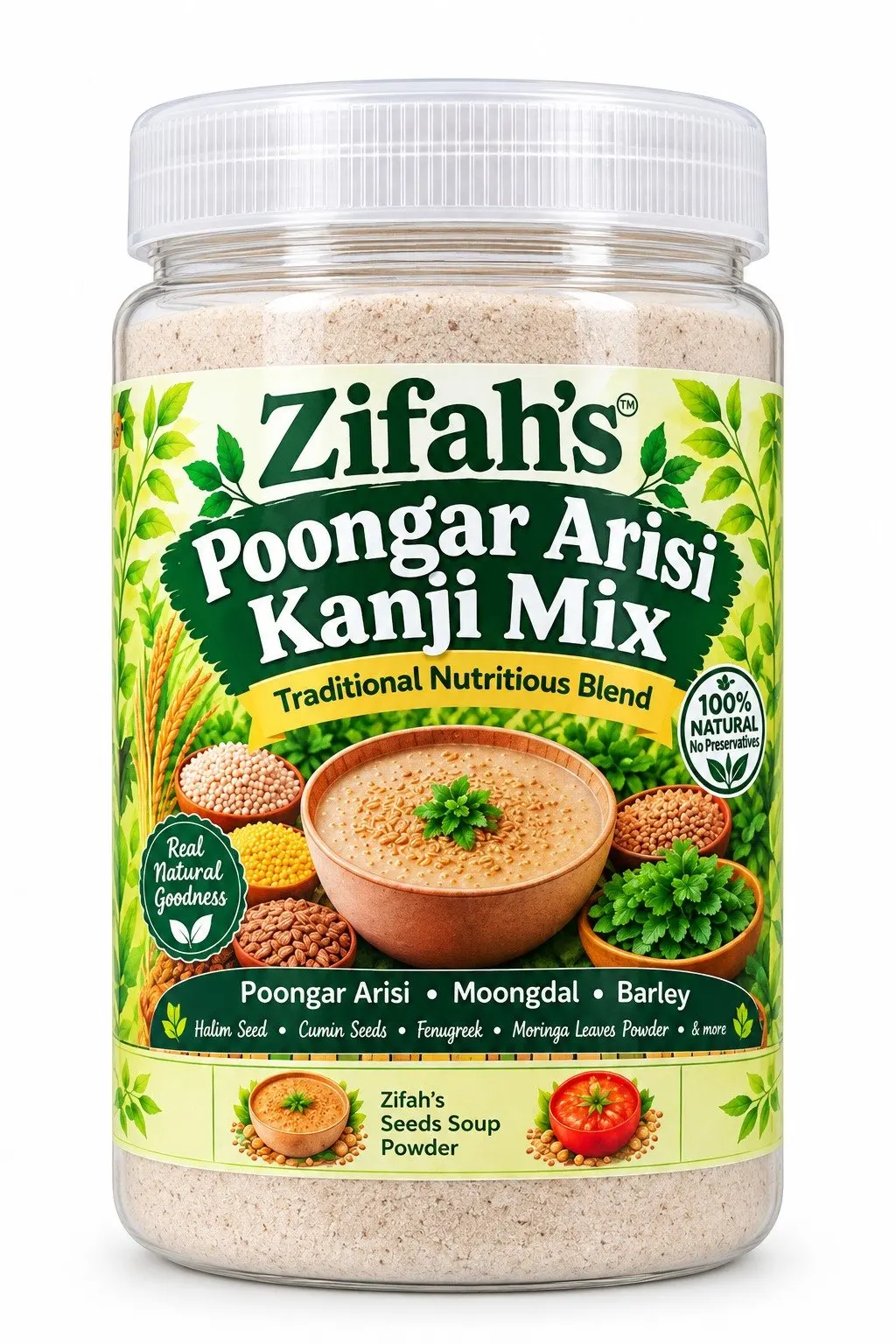
Kanji (porridge) has been a morning meal in Tamil homes for generations. Today, a ready kanji mix for breakfast brings that comfort back without the long soaking and grinding. Just mix, boil and serve. This guide explains common grain and rice mixes like poongar, rathasali and multigrain, shows sweet and savoury ways to prepare them, and shares tips for busy mornings and for storing the mixes well in humid weather.
Table of Contents
Why a kanji mix for breakfast works for busy families
Weekday mornings are rushed. Lunch boxes, school uniforms and office bags all compete for time. A full traditional breakfast is not always possible.
A kanji mix is a powder made from roasted rice, millets, pulses or other grains that are ground together. You only need to cook it with water or milk for a few minutes. Many families like that it is simple, filling and easy to change to suit each person’s taste.
It also suits different age groups. Children may enjoy a sweet version with milk and jaggery, while elders often prefer a savoury bowl with buttermilk and a little salt. For special diets, babies, or anyone with a medical condition, it is best to ask a doctor before adding a new food.
Common types of traditional porridge mix
Local sellers on ShopC make many kinds of kanji mixes. Here are a few you will see often.
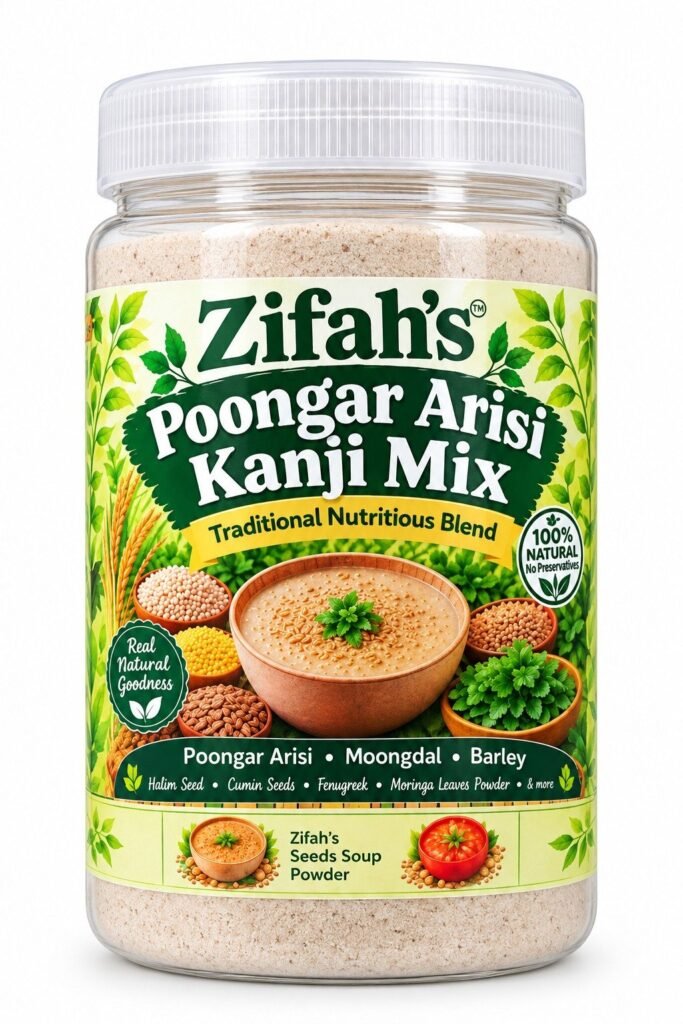
Poongar arisi kanji mix
Poongar is a traditional red rice variety from Tamil Nadu. A kanji mix made from it has a mild, earthy flavour and a soft reddish colour when cooked. Many families enjoy it in both sweet and savoury forms.
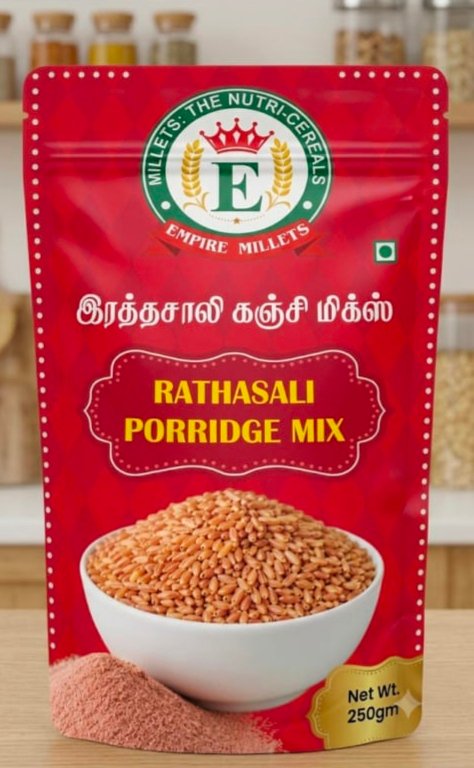
Rathasali porridge mix
Rathasali is another heritage rice variety. Its porridge mix gives a smooth texture and a gentle taste. It is a good choice if you are trying traditional rice for the first time.
Multigrain or super grain mix
These mixes combine several grains, millets and sometimes pulses. They usually have a slightly nutty, roasted flavour and a thicker texture.
Every seller has their own recipe. Read the ingredient list on the product page carefully, especially if anyone at home has allergies. If something is unclear, ask the seller before ordering.
How to make a basic rice kanji
Most mixes follow similar steps. Always check the instructions on your pack first.
- Take two to three tablespoons of the mix in a bowl.
- Add half a cup of cold water and stir to a smooth paste with no lumps.
- Boil one to one and a half cups of water in a pan.
- Pour in the paste slowly while stirring.
- Cook on low to medium flame for five to eight minutes, stirring often so it does not stick.
- Switch off when it reaches the thickness you like. It thickens more as it cools.
This simple rice kanji is the base for both sweet and savoury versions.

Sweet ways to serve kanji
A sweet bowl is often a favourite with children.
- Milk and jaggery. Add warm milk to the cooked kanji and stir in grated jaggery or karupatti (palm jaggery) after switching off the flame.
- Coconut milk. A little thick coconut milk gives a rich, homely taste.
- Cardamom and ghee. A pinch of cardamom powder and a few drops of ghee make it festive.
- Banana. Mash a small banana into the bowl for natural sweetness.
- Dry fruits. Top with chopped cashew or raisins for crunch.
Add jaggery only after cooking, because adding it to very hot milk can sometimes cause curdling. Our guide on palm jaggery uses has more ideas.
Savoury ways to serve kanji
Many elders prefer kanji the traditional savoury way.
- Buttermilk kanji. Let the kanji cool slightly, then mix in thin buttermilk and salt.
- With small onions. Add finely chopped sambar vengayam (small onions) and green chilli.
- With tempering. Heat oil, add mustard, cumin and curry leaves, and pour over the kanji.
- With sides. Serve with a spoon of pickle, thuvaiyal (thick chutney) or a little podi.
For sides, explore the pickles and podi sections, where small sellers share homemade recipes.
Busy-morning tips
A few small habits make kanji mornings smoother.
- Keep the mix, jaggery and a measuring spoon together in one place.
- Mix the paste the night before and keep it covered in the fridge. Cook it fresh in the morning.
- Use a non-stick or heavy-bottomed pan to avoid sticking and burning.
- Make one base kanji, then split it into sweet bowls for children and savoury bowls for adults.
- Carry kanji in a steel flask if you need breakfast on the go.
If you want other quick options, browse the health mix section, where sellers list sathu maavu and similar mixes.
How to store kanji mixes
Grain powders absorb moisture, especially during the monsoon. Good storage keeps your traditional porridge mix fresh.
- Move the powder into a clean, dry, airtight container after opening.
- Always use a dry spoon.
- Keep it away from the stove, sink and window ledge.
- Buy smaller packs in humid months so you finish them while fresh.
- Check the best-before date on the pack or the product page on ShopC, and do not use powder that smells off or has insects.
Many families keep a small jar for daily use and the rest in a larger sealed container.
Mistakes to avoid
- Adding the dry powder directly into boiling water, which forms lumps.
- Cooking on high flame, which burns the bottom.
- Making it too thick for children, who may find it hard to eat.
- Leaving the opened pack on the counter in damp weather.
With a good kanji mix for breakfast and these simple habits, a warm bowl can be ready in about ten minutes.
Frequently asked questions
Here are quick answers to common questions about kanji mixes.
How much kanji mix for breakfast is needed per person?
Most packs suggest two to three tablespoons per person. Follow the instructions on your pack and adjust for the thickness you like.
Can kanji be prepared with milk instead of water?
Yes. Cook the mix in water first, then add warm milk at the end so it does not stick or curdle.
Is kanji mix suitable for small children?
Many families serve kanji to children, but ask your doctor before introducing a new food to babies or toddlers, and check the ingredient list for allergies.
More from the blog
Cotton Saree Care in Monsoon: Wash, Dry and Store the Right Way
Simple cotton saree care tips for the rainy season: gentle washing, how to dry cotton sarees indoors…
View more →
Protect Phone in Rain: Simple Monsoon Phone Care Tips at Home
Learn how to protect phone in rain with a mobile rain cover, simple monsoon phone care habits, wet p…
View more →
Herbal Tea for Rainy Days: Warm Drinks for Monsoon Evenings
Herbal tea for rainy days: how to brew hibiscus tea, blue pea tea and sukku malli coffee at home, wi…
View more →