
Organic Fertilizer for Terrace Garden: A Beginner’s Guide

More families in Chennai, Coimbatore, Salem and Madurai are turning their terraces into small kitchen gardens. A few grow bags of tomatoes, chillies, greens and brinjal can supply a surprising amount of vegetables. The secret to healthy plants in pots is feeding the soil well. This guide explains how to use organic fertilizer for terrace garden plants, even if you are just starting.
Table of Contents
Why terrace plants need regular feeding
Plants in pots and grow bags have limited soil. Every watering washes away some nutrients, and fast-growing vegetables use up the rest quickly. Unlike a farm field, there is no deep soil to draw from. That is why regular, gentle feeding with organic inputs makes such a difference.

8 tips for using organic fertilizer for terrace garden plants
1. Start with a good potting mix
A common mix is one part garden soil, one part compost or vermicompost and one part coco peat. This holds moisture, drains well and stays light enough for a terrace.
2. Use compost as the base
Well-rotted compost from kitchen waste and dry leaves is the foundation of organic gardening. Add a handful to each pot every month.
3. Add vermicompost
Vermicompost, made by earthworms, is fine, odourless and easy to use. Mix two to three tablespoons into the topsoil of each grow bag every few weeks.
4. Try dried cow dung manure
Well-dried and powdered cow dung manure is a traditional organic manure. Use only fully dried and decomposed manure, as fresh dung can burn roots.
5. Use liquid feeds for quick results
Many gardeners use diluted liquid feeds such as compost tea, buttermilk solutions or seaweed extract. Always follow the dilution given on the product label, as strong solutions can harm plants.
6. Consider seaweed and humic products
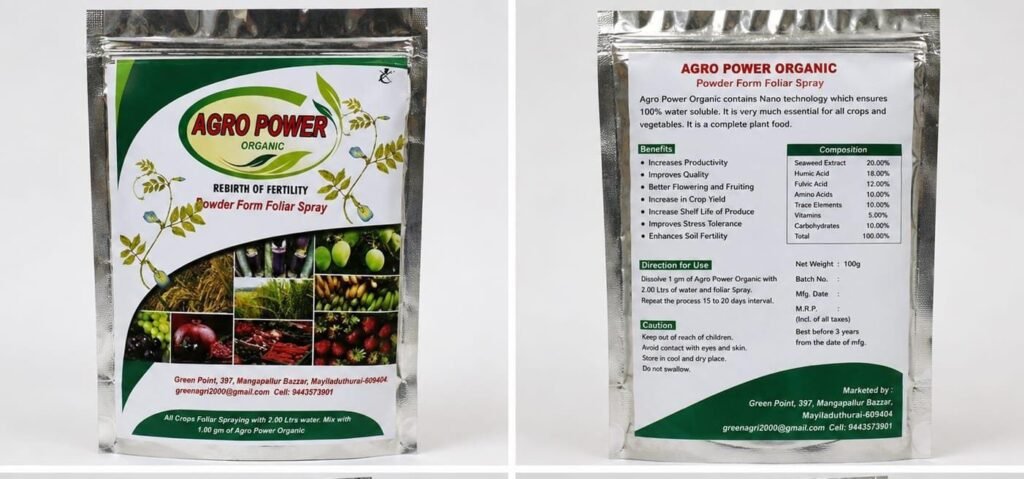
Seaweed granules and humic-based products are sold as soil and growth supplements. They are usually used in small quantities alongside compost. Read the label carefully for dosage and frequency.
7. Don’t overfeed
More fertilizer is not always better. Overfeeding can cause leaf burn, weak growth or pests. Little and often works best on a terrace.
8. Water after feeding
Water the plant lightly after adding fertilizer so the nutrients reach the roots and dry granules do not stick to stems.

Common organic inputs at a glance
| Input | Form | How often (general guide) |
|---|---|---|
| Compost | Solid | Monthly |
| Vermicompost | Solid | Every 2 to 4 weeks |
| Dried cow dung manure | Powder | Every 1 to 2 months |
| Seaweed extract or granules | Liquid or granules | As per label |
| Humic-based products | Liquid or granules | As per label |
| Kitchen-waste compost tea | Liquid | Every 1 to 2 weeks |
These are general guides only. Always follow the instructions on any product you buy.
Signs your terrace plants need feeding
- Older leaves turning pale or yellow
- Slow growth even with enough water and sunlight
- Small or few flowers and fruits
- Soil that looks grey and compact
Make your own kitchen compost
Collect vegetable peels, tea leaves and dry leaves in a bin with holes. Layer wet and dry waste, keep it slightly moist and turn it every week. In a few weeks, you will have dark, crumbly compost for your terrace garden. Avoid adding cooked food, oil and dairy, which attract pests.
Buying organic fertilizer online
- Read the ingredient list and usage instructions.
- Check the manufacturing date and storage advice.
- Start with small packs to see how your plants respond.
On ShopC, you can find organic plant care products, seaweed granules and growth boosters from local sellers. For background on how compost forms, see this article on compost on Wikipedia.
Plants that grow well on a terrace in Tamil Nadu
- Greens: amaranth (keerai), spinach, coriander and mint
- Vegetables: tomato, chilli, brinjal, ladies finger and beans
- Climbers: bottle gourd, ridge gourd and snake gourd on a trellis
- Herbs: curry leaves, tulsi and lemongrass
Start with greens and chillies, which grow quickly and forgive beginner mistakes.
Watering and sunlight basics
Most vegetables need at least five to six hours of sunlight. In the hot months, water early in the morning or in the evening, and mulch the top of the soil with dry leaves to reduce evaporation. Make sure every pot has drainage holes, and place grow bags on stands or bricks so water does not collect on the terrace floor.
A healthy terrace garden comes from three things working together: good soil, regular feeding and the right amount of water and sun.
Common terrace garden mistakes
- Using only garden soil, which becomes hard and heavy in pots
- Adding fresh kitchen waste directly to pots, which attracts pests
- Overwatering, which rots roots
- Placing pots directly on the terrace floor, which can damage waterproofing
Avoiding these early mistakes makes organic fertilizer for terrace garden plants work much better, because healthy roots absorb nutrients well.
Seasonal feeding tips
During the hot summer months, use liquid feeds sparingly and water the plants before feeding, not after a long dry spell. In the monsoon, heavy rain can wash nutrients out of pots, so add a little compost after the rains. Plants that are flowering or fruiting usually benefit from regular, gentle feeding.
Frequently asked questions
With the right organic fertilizer for terrace garden plants and a little patience, your terrace can give you fresh vegetables all year round.
Which organic fertilizer is best for a terrace garden?
Compost and vermicompost are the best base for most terrace plants, supported by occasional liquid feeds or seaweed products as per the label.
How often should I add fertilizer to terrace plants?
Most gardeners add compost or vermicompost every two to four weeks and use liquid feeds every one to two weeks, following product instructions.
Can I use fresh cow dung in pots?
It is better to use only fully dried and decomposed cow dung manure. Fresh dung can burn roots.
More from the blog

Cotton Saree Care in Monsoon: Wash, Dry and Store the Right Way
Simple cotton saree care tips for the rainy season: gentle washing, how to dry cotton sarees indoors…
View more →
Protect Phone in Rain: Simple Monsoon Phone Care Tips at Home
Learn how to protect phone in rain with a mobile rain cover, simple monsoon phone care habits, wet p…
View more →
Herbal Tea for Rainy Days: Warm Drinks for Monsoon Evenings
Herbal tea for rainy days: how to brew hibiscus tea, blue pea tea and sukku malli coffee at home, wi…
View more →