
Agarbatti vs Sambrani: Which to Use and How to Use Safely
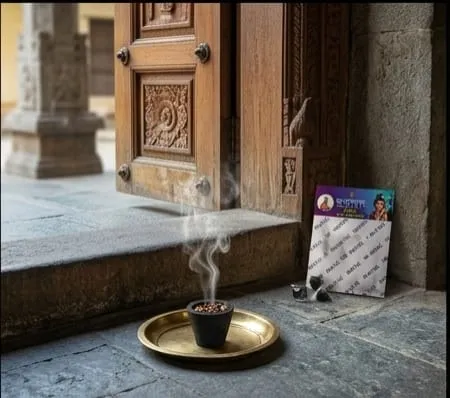
Fragrant smoke is part of the daily pooja in many Tamil homes. But when you shop, the choice of agarbatti vs sambrani can be confusing. Both add fragrance, yet they look different, burn differently and are used at different times. This guide explains the difference in simple words, the popular fragrance families like sandal, javadhu, rose and jasmine, and how to light and store both safely, with good ventilation for everyone at home.
Table of Contents
Agarbatti vs sambrani: the basic difference
Agarbatti is the familiar incense stick. A thin bamboo stick is coated with a fragrant paste, dried, and lit at the tip. It burns slowly and gives a light, steady fragrance for a while.
Sambrani traditionally refers to a resin (a natural gum from trees) or a mix made with it. When placed on hot coals or lit in a cup form, it releases thick, fragrant smoke. The smell is deeper and the smoke spreads quickly through a room.
Here is a simple side-by-side view.
| Point | Agarbatti | Sambrani |
|---|---|---|
| Form | Thin stick | Resin, powder or cup |
| Smoke | Light, thin | Thick, spreads fast |
| Burning style | Slow and steady | Short and strong |
| Common use | Daily pooja, any time | Evening pooja, Fridays, special days |
| Holder | Stick stand | Sambrani thattu or fire-safe plate |
In short, agarbatti is for gentle, everyday fragrance. Sambrani is for a fuller fragrance in a shorter time.
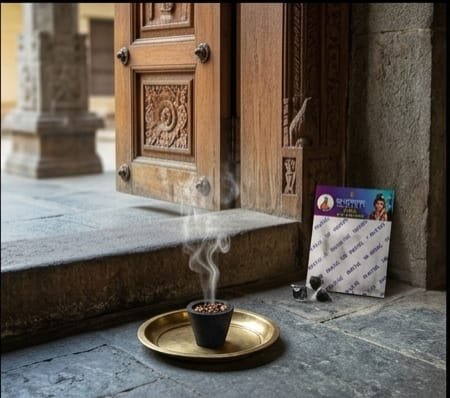
What is cup sambrani?
Cup sambrani is a ready-to-use form shaped like a small cone or cup. You do not need charcoal. You simply light the top, let the flame settle, and it smoulders and releases smoke.
Many families like this form because it is easy, less messy than the coal method and handy for flats.
How to use sambrani safely at home
Whether you use loose resin or a cup, a few steps keep it safe and clean.
Using the cup form
- Place the cup on a fire-safe plate, sambrani thattu (a metal plate or holder) or a brass tray.
- Light the tip with a matchbox until it catches.
- Let it burn for a few seconds, then gently blow out the flame so it smoulders.
- Leave it in one place. Do not carry it around while it is very hot.
- Let the ash cool fully before throwing it away.
Using traditional resin sambrani
- Heat a small piece of charcoal on a metal holder until it glows.
- Sprinkle a pinch of sambrani powder or resin on top.
- Add more slowly. Too much at once gives very heavy smoke.
- Keep the holder on a stable surface with a handle that stays cool.
Knowing how to use sambrani properly avoids burnt fingers and black marks on the floor.
Ventilation matters
Sambrani smoke is thick, so keep a window or door open. Do not use it in a closed room for long. Keep it away from babies, elders who are sensitive to smoke, and pets. If anyone at home has breathing concerns, it is best to check with a doctor before regular use. Agarbatti smoke is lighter, but the same common sense applies.
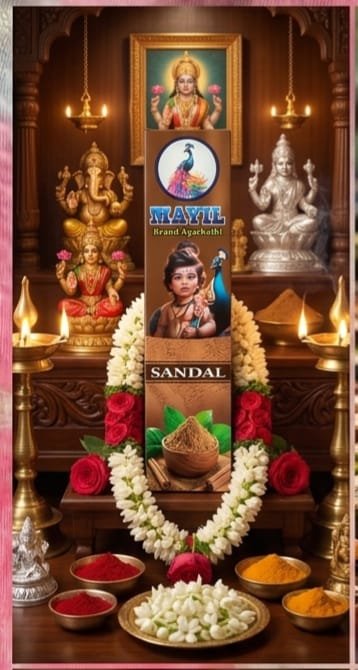
Popular fragrance families
Both agarbatti and sambrani come in many fragrances. Here are the ones most families know.
- Sandal (chandanam). A soft, woody and calm fragrance. Many families use it for daily pooja.
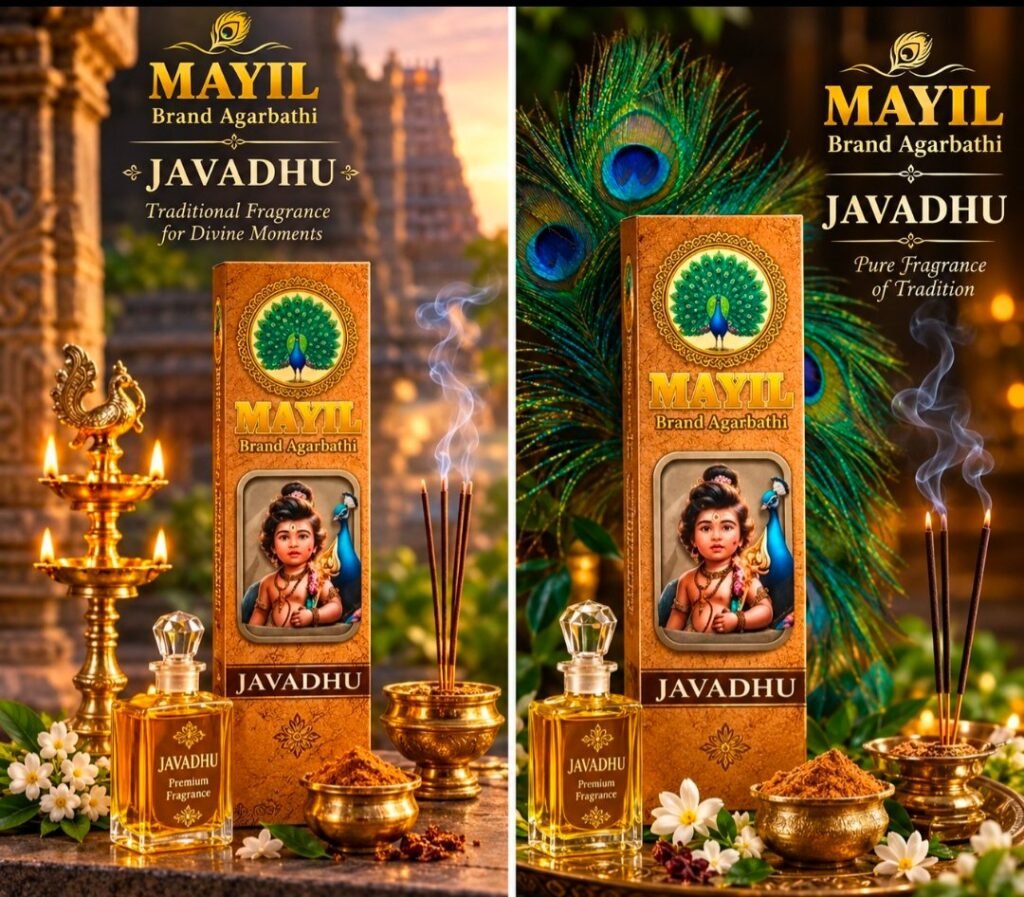
- Javadhu. A traditional, rich and slightly musky fragrance. It is popular in Tamil homes, especially for evening pooja and festivals.
- Rose. A sweet floral fragrance, liked by those who prefer something light.
- Jasmine (malligai). A fresh floral smell that reminds many people of temple flowers.
- Mixed or herbal blends. Some sellers combine flowers, herbs and resins.
Fragrance is personal. Try small packs first, then buy the one your family enjoys. Read the product page on ShopC for the fragrance name, number of sticks or cups, and the ingredients listed. If you want to know more about how it is made, ask the seller.
When to use agarbatti and when to use sambrani
Families follow their own customs, but some common patterns are:
- Morning pooja: Agarbatti, because it is quick and gentle.
- Evening lamp lighting: Many families use sambrani after lighting the lamp, as it is traditionally believed to bring a calm feeling to the home.
- Fridays and special days: Sambrani is often used along with flowers and a ghee lamp.
- Festivals: Both may be used. Agarbatti stays on through the pooja, and sambrani is waved during aarti in some homes.
- After cleaning the house: Some families light sambrani to freshen the rooms.
There is no fixed rule in the agarbatti vs sambrani choice. Many homes simply keep both.
How to store agarbatti and sambrani
Both absorb moisture easily, especially in the rainy months. Damp sticks and cups do not light well.
- Keep them in their box or a closed container.
- Store away from the kitchen, bathroom and window ledges where rain splashes.
- Keep them away from the lamp oil can, so they do not soak up oil.
- Store matchboxes in a separate dry box nearby.
- Keep all incense out of reach of children.
A small tray in the pooja room for agarbatti, sambrani cups, camphor and matchbox keeps everything ready. For more ideas, see our pooja items list for home.
Buying tips and mistakes to avoid
A little care while shopping helps you pick better.
- Check the pack count and size, not just the photo.
- Look for the fragrance name clearly mentioned.
- Avoid buying a large stock at once, especially in humid weather.
- Do not place a lit stick directly on a wooden shelf. Always use a stand.
You can explore wicks, camphor and incense from local sellers on ShopC in the pooja items category. For general tips on ordering, read safe online shopping tips.
Frequently asked questions
Here are quick answers to common questions about incense at home.
What is the main difference in agarbatti vs sambrani?
Agarbatti is a stick that burns slowly with light smoke. Sambrani is a resin or cup that gives thicker smoke and stronger fragrance in a shorter time.
Is charcoal needed to use cup sambrani?
No. The cup form can be lit directly with a match and left to smoulder on a fire-safe plate.
Is it safe to use sambrani in a small flat?
Yes, with care. Keep a window open, use a small amount, and keep it away from babies, pets and anyone sensitive to smoke.
More from the blog
Cotton Saree Care in Monsoon: Wash, Dry and Store the Right Way
Simple cotton saree care tips for the rainy season: gentle washing, how to dry cotton sarees indoors…
View more →
Protect Phone in Rain: Simple Monsoon Phone Care Tips at Home
Learn how to protect phone in rain with a mobile rain cover, simple monsoon phone care habits, wet p…
View more →
Herbal Tea for Rainy Days: Warm Drinks for Monsoon Evenings
Herbal tea for rainy days: how to brew hibiscus tea, blue pea tea and sukku malli coffee at home, wi…
View more →