
Soup Powder for Rainy Season: Quick Traditional Soups at Home
When the northeast monsoon arrives, Tamil Nadu evenings turn cool, wet and cosy. Many families want something warm in a cup after school, office or a long commute. A good soup powder for rainy season evenings makes this easy, because a hot bowl is ready in minutes. This guide explains the common varieties, how to prepare them, how to add vegetables for a fuller bowl, and how to store the powders so they stay fresh in humid weather.
Table of Contents
Why keep a soup powder for rainy season evenings
Rainy days often mean power cuts, wet clothes and tired children. Cooking a full soup from scratch, with soaking, grinding and boiling, takes time. A ready soup powder lets you skip most of these steps.
Most of these powders are made from roasted grains, pulses, seeds and spices that are ground together. You only need to mix the powder with water, boil it and season it. Many families enjoy a cup in the evening along with a light snack, or as a starter before dinner.
Keeping a soup powder for rainy season use at home also helps when guests drop in. You can serve something warm and homely without much effort.
Common traditional soup powder varieties
Local sellers on ShopC make soup mixes using ingredients familiar to Tamil kitchens. Here are a few common types.
Horsegram soup (kollu soup)
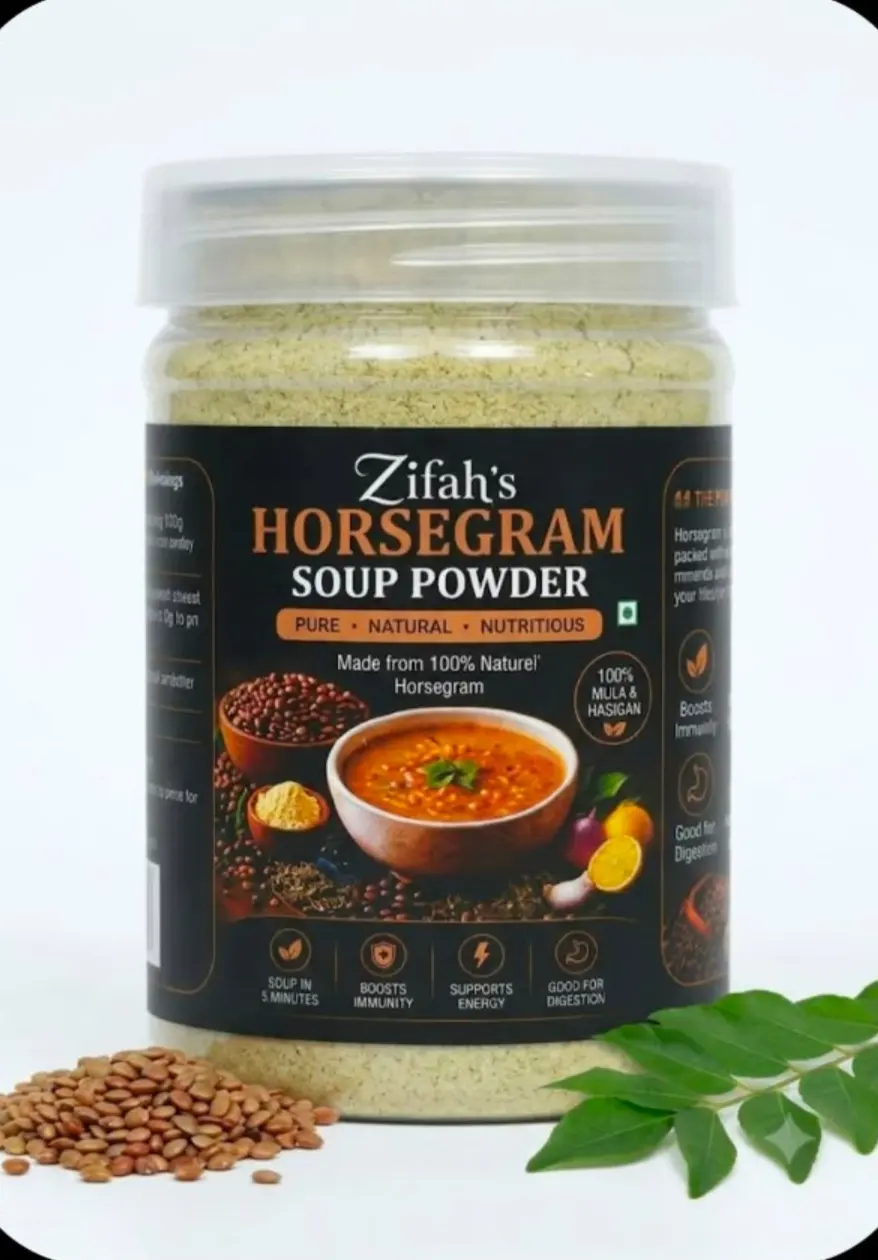
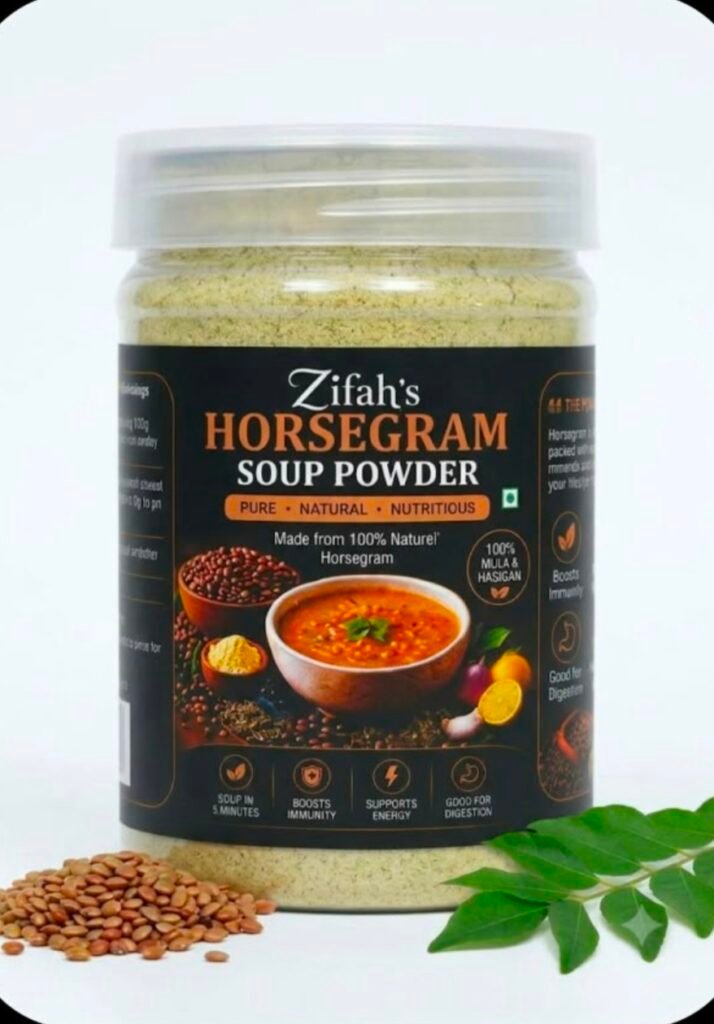
Kollu (horsegram) is a pulse that has been part of Tamil cooking for generations. Kollu rasam and kollu soup are familiar in many homes during the cooler months. A horsegram soup powder usually has roasted horsegram along with spices. It has an earthy taste that many people enjoy with a squeeze of lemon.
Bamboo rice soup (moongil arisi)
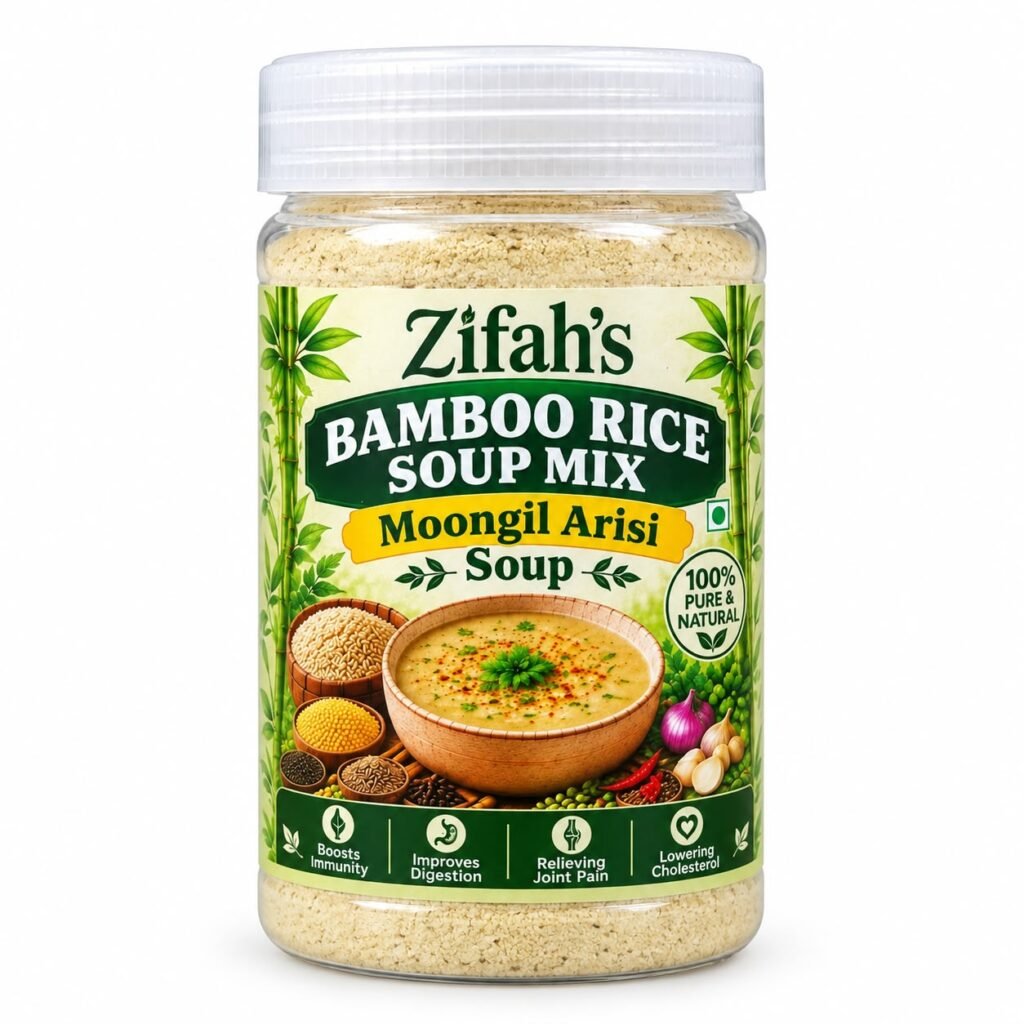
Moongil arisi (bamboo rice) is a less common grain, traditionally collected from flowering bamboo. Soup mixes made with it have a mild, slightly nutty taste. It is a nice option if you want to try something different.
Seeds soup
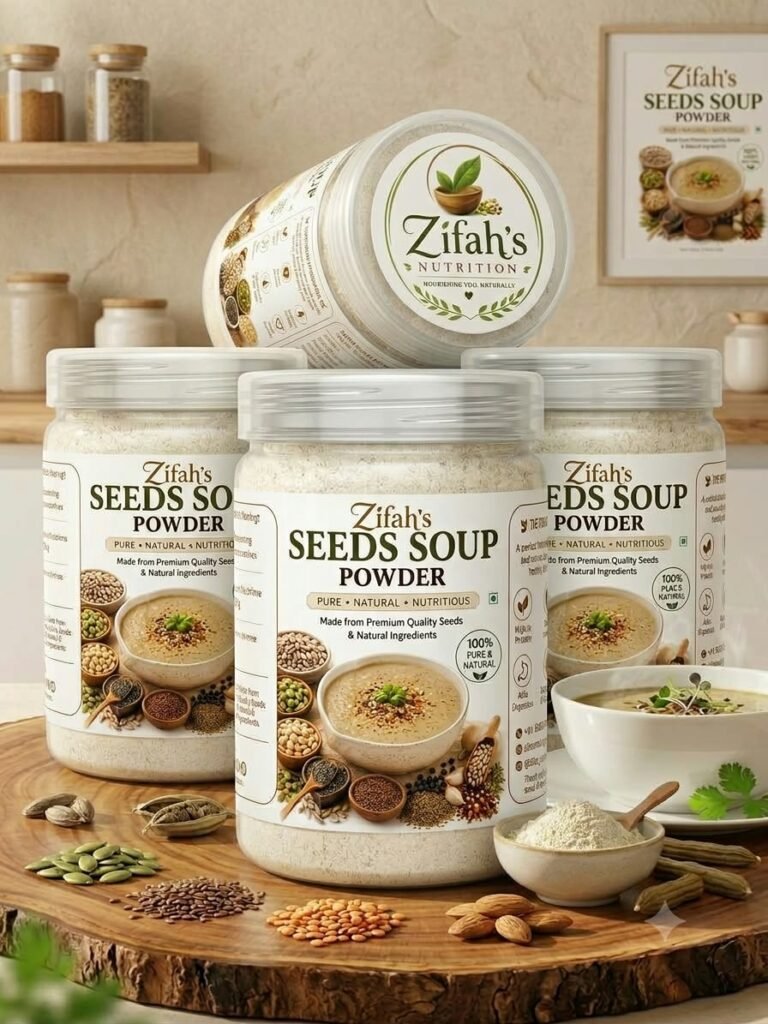
Some soup mixes combine different seeds and grains. These often have a thicker texture and a rich, roasted flavour.
Each seller has their own recipe, so read the ingredient list on the product page. If you have allergies or follow a special diet, check every ingredient and ask the seller if you are unsure. For special diets, it is best to speak with a doctor.
How to make soup from a ready powder
The method on the pack is your best guide, but most soup powders follow similar steps.
- Take one cup of water in a small pan.
- Mix one to two tablespoons of soup powder in a little cold water first, to make a smooth paste. Adding powder straight into boiling water forms lumps.
- Add the paste to the pan and stir well.
- Bring it to a boil on medium flame, stirring now and then.
- Simmer for three to five minutes until it thickens slightly.
- Add salt and pepper only if needed, since some mixes are already seasoned.
- Serve hot, with a few drops of lemon juice or chopped coriander on top.
If the soup becomes too thick, add a little hot water. If it is too thin, simmer for a couple of minutes more.
Simple tempering for more flavour
For a homely touch, heat a teaspoon of ghee or oil in a small pan. Add a pinch of cumin, some crushed garlic or a few curry leaves. Pour this over the soup just before serving.
Turn it into a homemade soup mix with vegetables
A ready powder is a great base. With a few vegetables, you can turn it into a fuller homemade soup mix that works as a light dinner.
- Carrot and beans. Chop finely and boil them in water before adding the soup paste.
- Tomato. Adds a gentle sourness. Cook it until soft first.
- Greens. Add a handful of chopped keerai (spinach or other greens) in the last two minutes.
- Sweet corn or peas. Children often enjoy these in their soup.
- Small onions (sambar vengayam). Sauté them in the tempering for extra taste.
You can also add a spoon of cooked rice, broken vermicelli or a few pieces of toasted bread to make it more filling. Serve with sundal, a dosa or a simple sandwich on the side.
Serving ideas for rainy evenings
A few easy ideas make soup time more enjoyable for the family.
- Serve soup in small steel tumblers for children, which are easy to hold.
- Pair a cup of kollu soup with roasted groundnuts or a handful of murukku.
- Keep a flask of hot soup ready if family members are coming back late.
- Make a small batch for elders with less spice and a smooth texture.
For more ready-to-cook ideas, browse the instant mixes section, or explore the wider foods category for homemade items from small sellers.
How to store soup powders in humid weather
The rainy season brings moisture, and moisture is the biggest enemy of any powder. A traditional soup powder can become lumpy, lose its aroma or even spoil if not stored well.
- Transfer the powder to a clean, dry, airtight glass or steel container after opening.
- Always use a dry spoon. A wet spoon can spoil the whole batch.
- Keep the container away from the stove, sink and window.
- Do not store it in the fridge door, where temperature changes cause dampness.
- Buy smaller packs during the monsoon, so you use them up while fresh.
- Check the best-before date on the pack or the product page on ShopC, and finish within that time.
If you notice an off smell, unusual colour or insects, do not use the powder. The same storage rules apply to your other homemade foods too. See our guide on how to store pickles for more tips on keeping jars safe in damp weather.
Frequently asked questions
Here are quick answers to common questions about soup powders.
How much soup powder for rainy season use goes into one cup?
Most packs suggest one to two tablespoons per cup of water. Follow the instructions on the pack and adjust for the thickness you like.
Can vegetables be added to a traditional soup powder?
Yes. Boil chopped vegetables first, then add the soup paste and simmer for a few minutes.
How can soup powder stay fresh during the monsoon?
Store it in a dry, airtight container, always use a dry spoon, and keep it away from the stove and sink.
More from the blog
Cotton Saree Care in Monsoon: Wash, Dry and Store the Right Way
Simple cotton saree care tips for the rainy season: gentle washing, how to dry cotton sarees indoors…
View more →
Protect Phone in Rain: Simple Monsoon Phone Care Tips at Home
Learn how to protect phone in rain with a mobile rain cover, simple monsoon phone care habits, wet p…
View more →
Herbal Tea for Rainy Days: Warm Drinks for Monsoon Evenings
Herbal tea for rainy days: how to brew hibiscus tea, blue pea tea and sukku malli coffee at home, wi…
View more →