
Karthigai Deepam Items List: A Simple Checklist for Home
Every year in the Tamil month of Karthigai, homes across Tamil Nadu glow with rows of small lamps. A clear karthigai deepam items list saves you from last-minute running around on the festival evening. This guide covers what most families keep ready, from agal vilakku (small clay lamps) and wicks to oil, camphor, kolam powder, flowers and festive snacks. You will also find simple tips to plan, arrange and light your lamps safely around children and pets.
Table of Contents
Why a karthigai deepam items list helps
Karthigai Deepam is traditionally celebrated as a festival of light. Many families light lamps at the entrance, in the pooja room, on window sills, along the compound wall and on the terrace. Because so many lamps are lit at the same time, small things like wicks, oil or matchboxes run out quickly.
A written karthigai deepam items list helps you buy everything once, calmly, and check quality before the festival, not during the pooja. The whole family also knows what is ready and where it is kept.
Start two or three weeks ahead. Count the spots where you usually place lamps, note what you already have from last year, such as brass lamps and plates, and add only what is missing.
Karthigai deepam lamps: what to keep ready
Lamps are the heart of the festival. Most homes use a mix of clay and metal lamps.
Agal vilakku (clay lamps)
Agal vilakku are small, shallow clay lamps. They are the most common choice for rows at the doorstep and on the compound wall. Before buying, check that the lamps sit flat and are not cracked. Many families soak new clay lamps in water for some hours and dry them fully before use, so they soak up less oil. Keep a few extra, because one or two may break while moving them around.
Brass lamps and kuthu vilakku
The kuthu vilakku (tall brass lamp with a stand) is usually placed in the pooja room. Smaller brass lamps can go near the main door. Clean them a few days before the festival so they shine on the day. Our guide on how to clean a brass diya has simple home methods.
Wicks, oil and ghee
Wicks are easy to forget and quick to finish. Keep more than you think you need.
- Cotton wicks are the everyday choice for clay lamps.
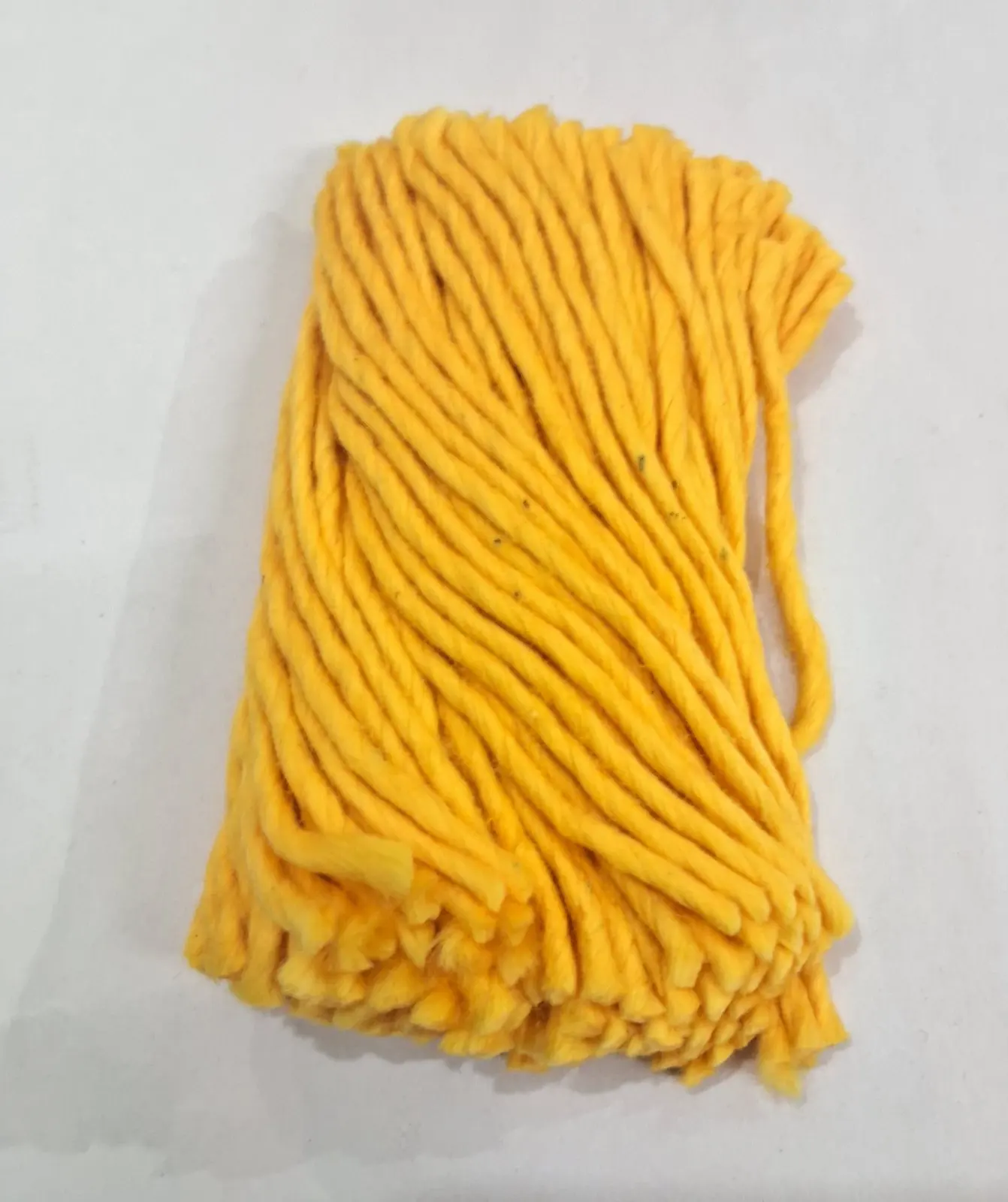
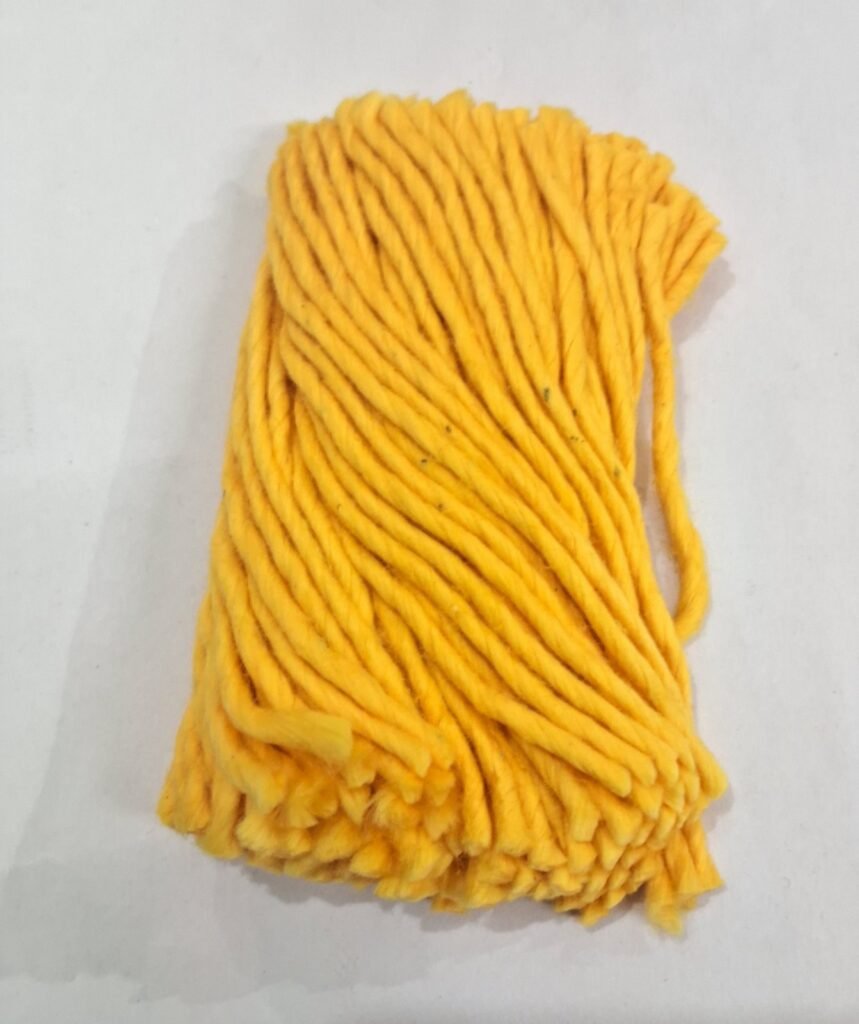
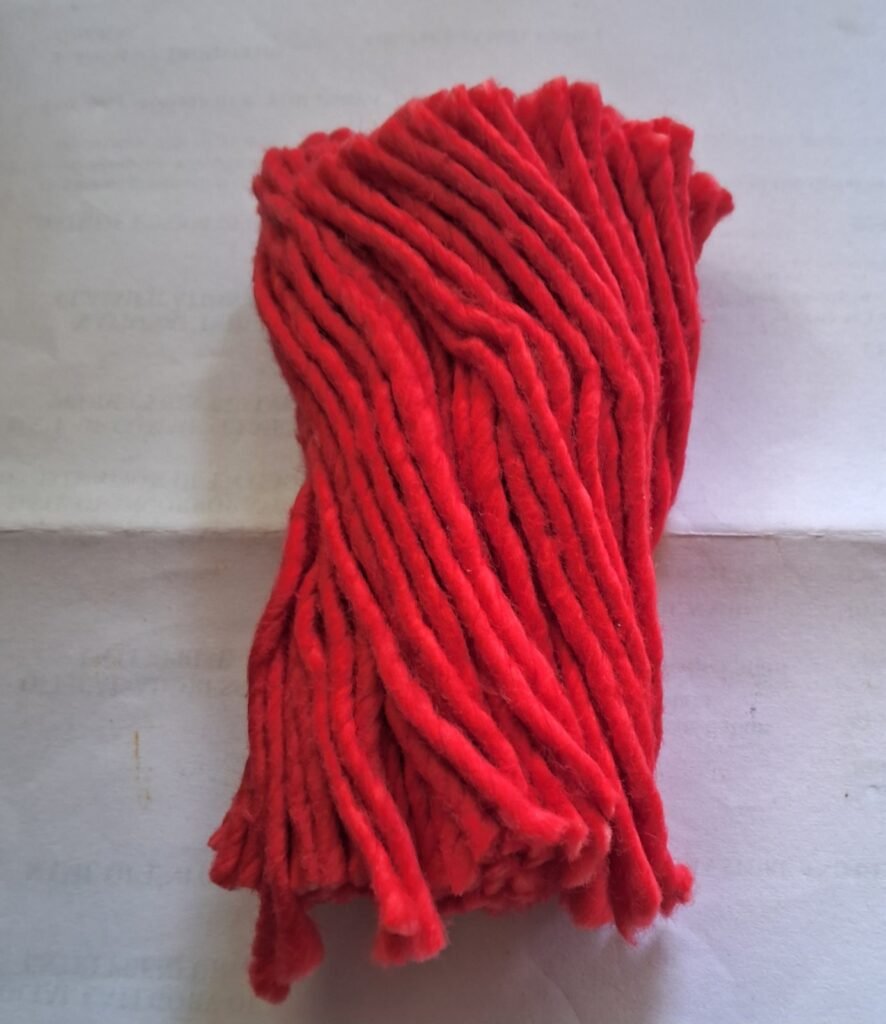
- Coloured yarn wicks, such as yellow and red, are traditionally used by many families for special days.
- Long wicks suit the kuthu vilakku, while short ones suit agal vilakku.
For fuel, most homes use gingelly oil (nallennai), lamp oil or ghee. Some families keep ghee only for the pooja room lamp and use oil for the rows outside. Pour oil into a small jug with a narrow spout. This makes filling dozens of lamps faster and less messy.
Store wicks in a dry, closed box away from the oil, so they do not become soggy before use.
Other karthigai deepam pooja items
Apart from lamps, a few common karthigai deepam pooja items complete the setup. Families follow their own customs, so pick what suits your home.
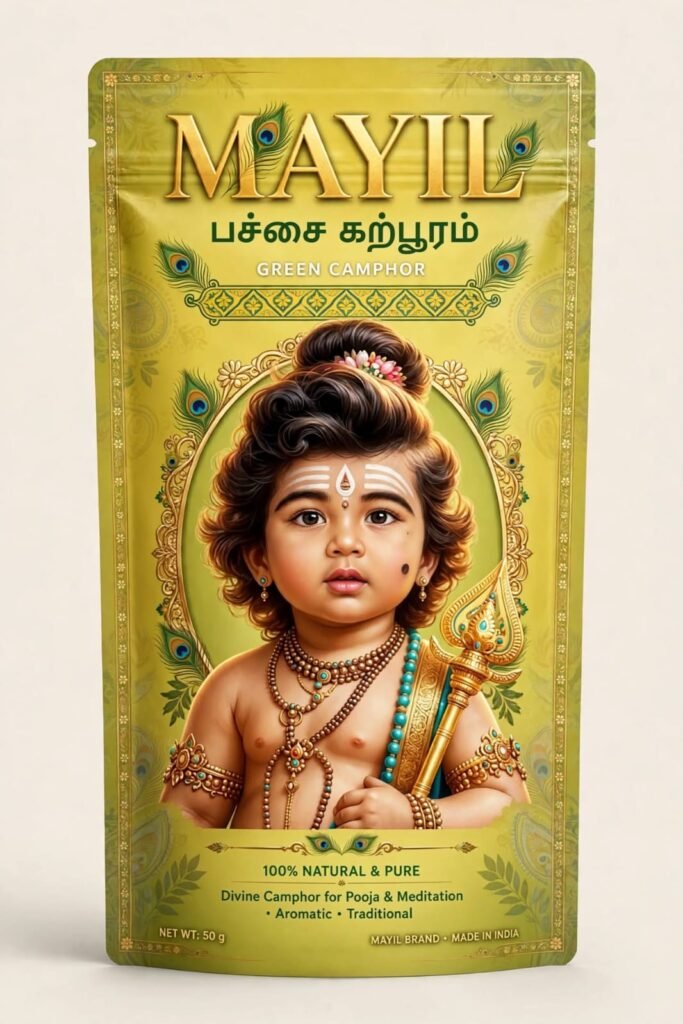
- Camphor (karpooram) for aarti
- Agarbatti or sambrani for fragrance
- Turmeric, kumkum and sandal paste
- Namakatti, a traditional marking item many families keep in the pooja room
- Fresh flowers and garlands, especially jasmine, marigold and chrysanthemum
- Mango leaves for the doorway thoranam
- Betel leaves, areca nuts, bananas and coconut for the offering plate
- A matchbox or lighter, plus a long agarbatti stick to light lamps
For a fuller list for your pooja room, see our pooja items list for home. You can also browse the pooja items section, where local sellers on ShopC list wicks, camphor and other daily essentials.
Kolam for the festival
Kolam (rice flour or powder designs at the entrance) is a big part of the evening. Many families draw a larger kolam that day and place lamps along its lines. Keep kolam powder and colour powders ready.
Festive foods: pori, adhirasam and more
Food is part of the celebration in many homes. Common items include:
- Nel pori or aval pori (puffed paddy or rice flakes) mixed with jaggery syrup to make pori urundai
- Adhirasam, a deep-fried sweet made from rice flour and jaggery
- Appam and sweet kozhukattai in some families
- Vadai and payasam for the festive meal
If you are short on time, browse the sweets section for homemade options from small sellers. Make jaggery syrup items a day earlier if you can.
How to arrange and light lamps safely
A home full of flames needs a little planning. These simple steps help:
- Place lamps on stable, flat surfaces like steps, plates or brass trays.
- Keep them away from curtains, dried leaves, paper decorations and parked two-wheelers.
- Do not overfill. Fill oil to about half or two-thirds of the lamp.
- Keep children and pets supervised near the lamp rows.
- Tie up long sarees or dupattas while lighting.
- Keep a bucket of water or sand nearby, just in case.
- Before sleeping, check that outside lamps are out or in a safe spot.
Many families light the pooja room lamp first and then move outward.
A quick checklist to save on your phone
Use this short karthigai deepam items list while you shop:
- Agal vilakku (count plus a few extra)
- Brass lamps cleaned and polished
- Cotton and coloured wicks
- Gingelly oil, lamp oil or ghee
- Camphor, agarbatti, sambrani
- Turmeric, kumkum, flowers and mango leaves
- Kolam powder, pori and sweets
- Matchbox and a water bucket for safety
When ordering online, read the product page on ShopC carefully, check the quantity per pack, and ask the seller if anything is unclear. Order early so you are not waiting on the festival day.
Frequently asked questions
Here are a few common questions families ask while preparing.
How early should families start preparing a karthigai deepam items list?
Two to three weeks ahead is comfortable. It gives you time to check what you already have, buy the rest and clean your brass lamps.
Should new clay lamps be soaked before lighting?
Many families soak new agal vilakku in water for a few hours and dry them fully. This is a traditional practice that helps the clay absorb less oil.
Which oil is used for Karthigai Deepam lamps?
Gingelly oil, lamp oil and ghee are the most common choices. Families usually follow their own customs, so ask elders at home what they prefer.
More from the blog
Cotton Saree Care in Monsoon: Wash, Dry and Store the Right Way
Simple cotton saree care tips for the rainy season: gentle washing, how to dry cotton sarees indoors…
View more →
Protect Phone in Rain: Simple Monsoon Phone Care Tips at Home
Learn how to protect phone in rain with a mobile rain cover, simple monsoon phone care habits, wet p…
View more →
Herbal Tea for Rainy Days: Warm Drinks for Monsoon Evenings
Herbal tea for rainy days: how to brew hibiscus tea, blue pea tea and sukku malli coffee at home, wi…
View more →