
Vilakku Thiri Types: How to Choose Wicks for Your Pooja Lamp
The small thread inside your lamp matters more than it looks. Knowing the common vilakku thiri types (thiri means wick) helps you pick the right one for daily pooja, Fridays and festival days. This guide explains cotton, yellow, red and other traditional wicks, the oils families usually pair with them, and simple ways to store and use them. It also covers safety, so your lamp burns steadily without smoke or spills.
Table of Contents
Common vilakku thiri types used at home
Tamil homes have used different wicks for generations. Each family follows its own custom, and elders often have strong preferences. Here are the types you will see most often.
Cotton wick (panju thiri)
The plain white cotton wick for lamp use is the everyday choice. It is made by rolling cotton into thin strands, either short and round for agal vilakku or long and flat for the kuthu vilakku (tall brass lamp). It burns evenly with most oils and is easy to find.
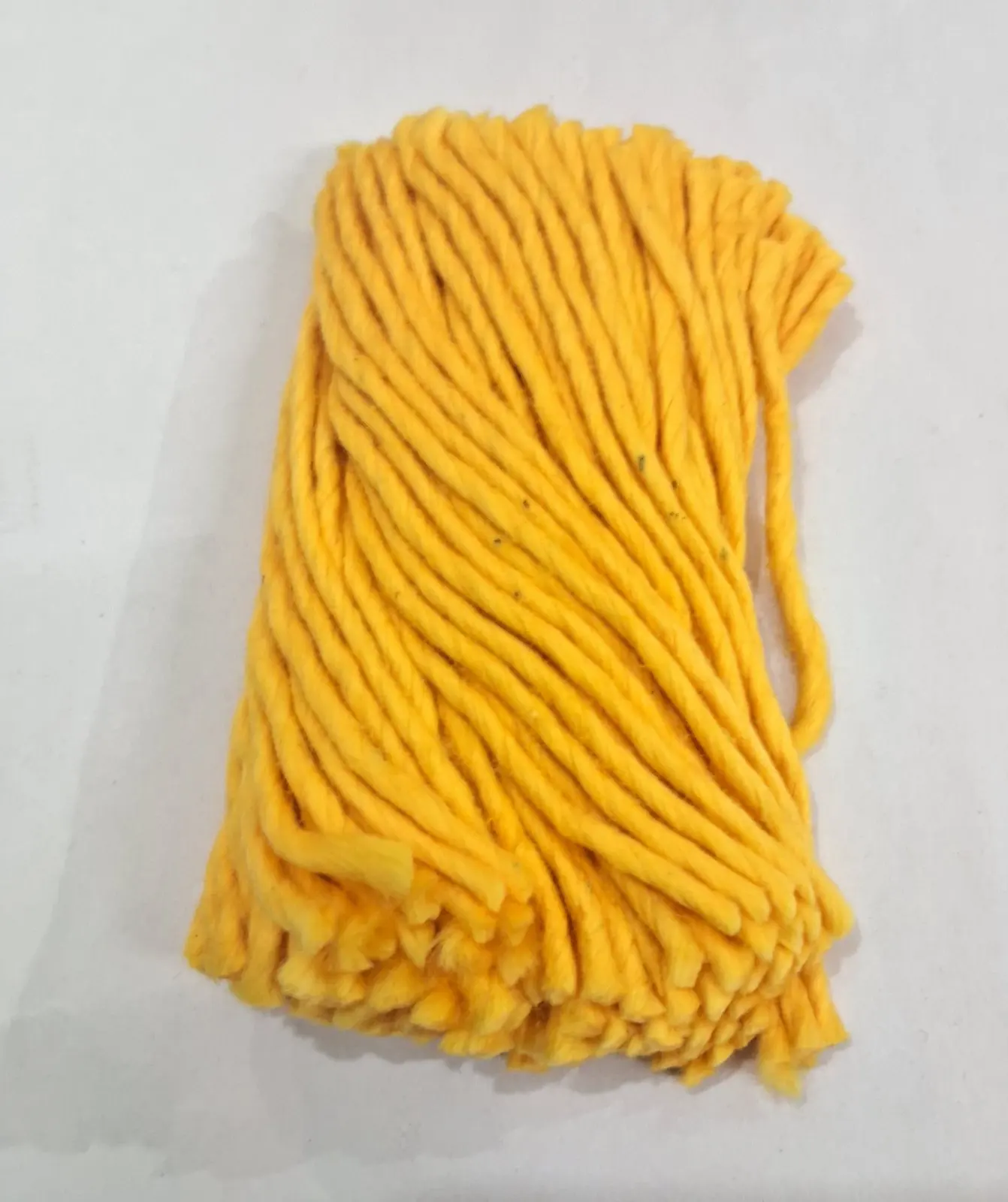
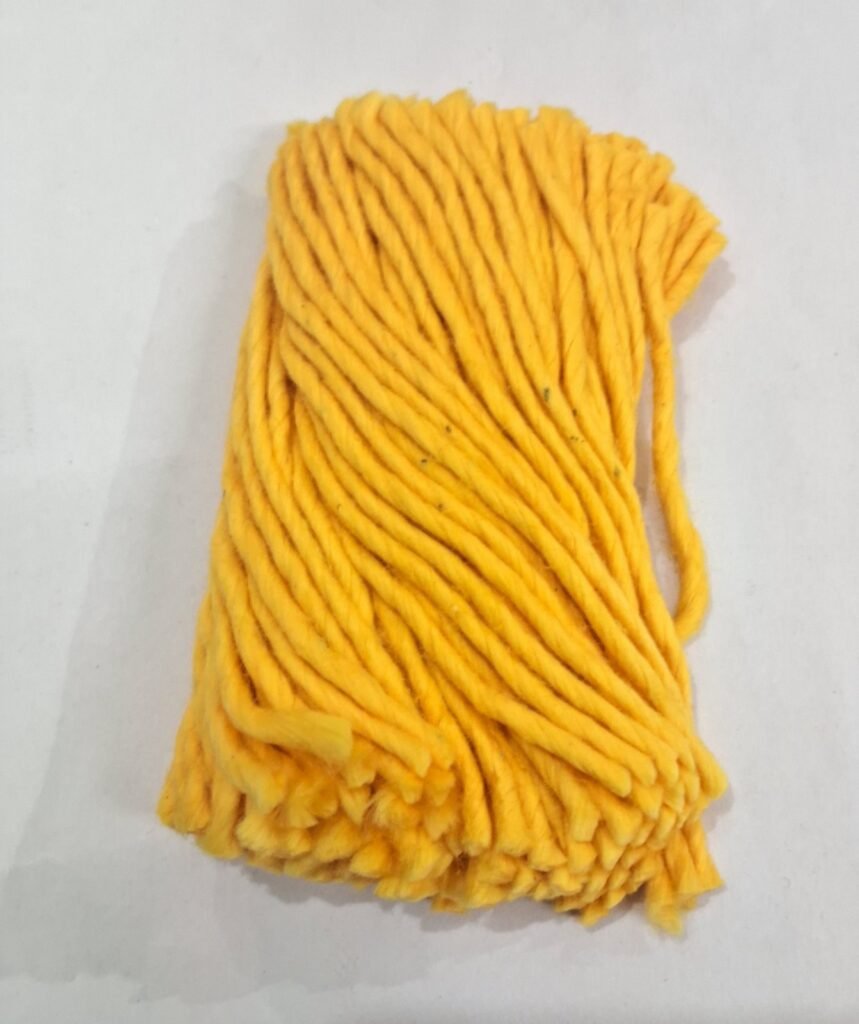
Yellow wick (manjal thiri)
Yellow wicks are usually cotton or yarn coloured with turmeric or a yellow dye. Many families use them on auspicious days, Fridays and festivals. Turmeric is traditionally linked with good beginnings in Tamil culture, which is why these wicks are popular for special poojas.
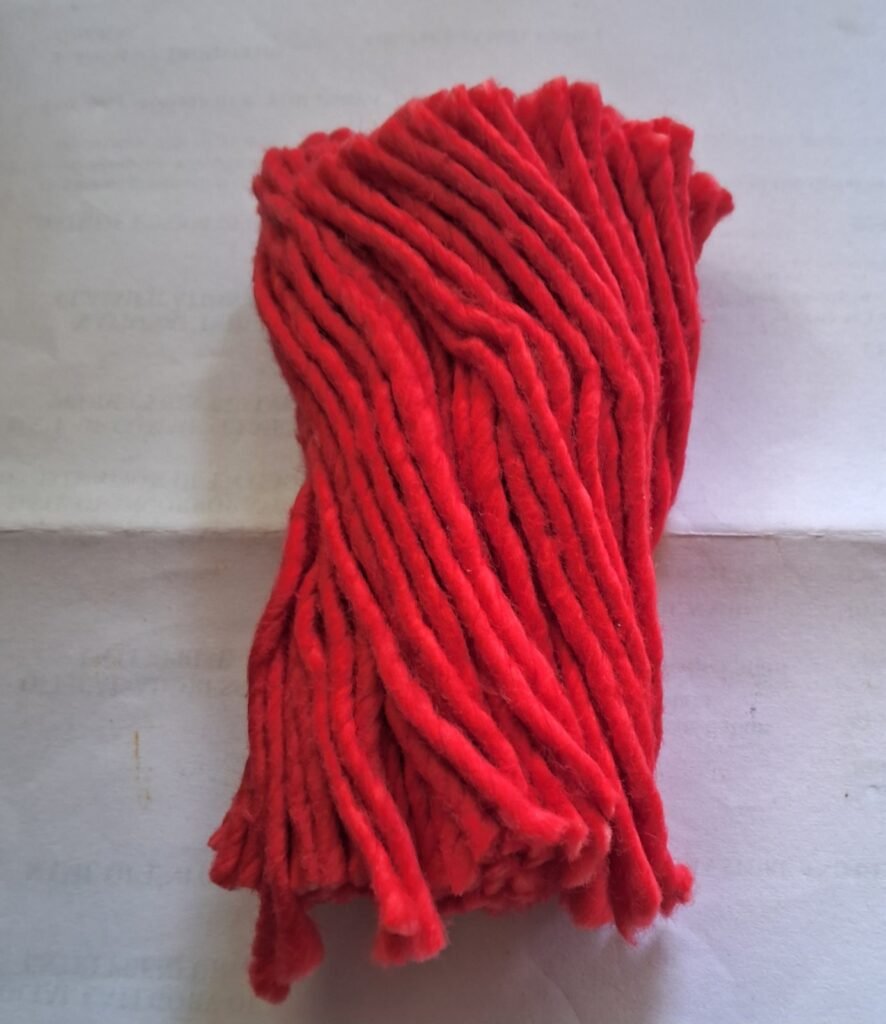
Red wick (sivappu thiri)
Red wicks are also common in many pooja rooms. Some families light them on certain days or for particular deities, as per their custom. The colour is mainly a matter of tradition and personal belief.
Lotus stem wick (thamarai thandu thiri)
This wick is made from the fibres of the lotus stem. It is traditionally considered special and is often kept for important occasions. It is thinner and more delicate, so handle it gently.
Banana stem fibre wick (vazhai thandu thiri)
Made from dried banana stem fibres, this is another traditional option. Some families use it during particular vratham (fasting) days.
How to choose the right wick for your lamp
With so many vilakku thiri types, the choice can feel confusing. Keep it simple by checking three things.
- Lamp size. Short, round wicks suit small clay lamps. Long, flat wicks suit the kuthu vilakku and larger brass lamps.
- How long you want it to burn. A thicker wick gives a bigger flame and uses oil faster. A thinner wick gives a small, steady flame.
- Your family custom. If elders at home prefer a certain colour or material for certain days, follow that.
When buying online, read the product page on ShopC for the number of wicks per pack, the length and the material. If a detail is missing, ask the seller before ordering. Our guide to checking product quality online has a simple checklist you can use.
Oils families traditionally pair with each wick
Pairing oil with wick is a matter of tradition and belief rather than fixed rules. Here are some common practices.
| Oil | How it is traditionally used |
|---|---|
| Gingelly oil (nallennai) | Daily lamp in many homes |
| Ghee | Special poojas and auspicious days |
| Lamp oil (vilakkennai) | Everyday use, especially for many lamps |
| Coconut oil | Common in some regions and families |
| Panchadeepa ennai (five-oil mix) | Believed by some families to be special for festival days |
Many families light a ghee lamp with a cotton or yellow wick on Fridays. Others use gingelly oil every day. There is no single correct choice, so ask the elders at home what they follow.
One practical tip: ghee and thick oils need a slightly thicker wick to draw up well. Thin oils work fine with regular cotton wicks.
How to use a lamp wick safely
A little care keeps your pooja room clean and safe.
- Soak the new wick in oil for a minute before lighting, so it does not burn too fast.
- Keep only a small tip of the wick above the oil. A long tip makes a big, smoky flame.
- Trim or pinch off the burnt black end before relighting.
- Never leave a lit lamp near curtains, paper calendars or dried flower garlands.
- Place brass lamps on a plate to catch any oil drips.
- Keep children and pets away from lit lamps.
- Use a small stick or flower to put out the flame if your family prefers not to blow it out, as many traditionally do.
If your brass lamp has old oil and soot, clean it before the next festival. See how to clean a brass diya for easy home methods.
How to store wicks so they last
All vilakku thiri types absorb moisture and oil easily. Poor storage makes them soggy, dusty or hard to light.
- Store wicks in a dry, closed box or glass jar.
- Keep them away from the oil can and the kitchen stove.
- During the rainy season, add a dry cloth inside the box to absorb dampness.
- Keep coloured wicks in separate packets so the colours do not mix.
A small tray in the pooja room with separate sections for wicks, camphor and matchbox keeps everything ready for the daily lamp.
Other pooja room essentials to keep nearby
Wicks are only one part of a well-kept pooja space. Many families also keep:
- Camphor (karpooram) for aarti
- Agarbatti or sambrani
- Kumkum, turmeric and sandal paste
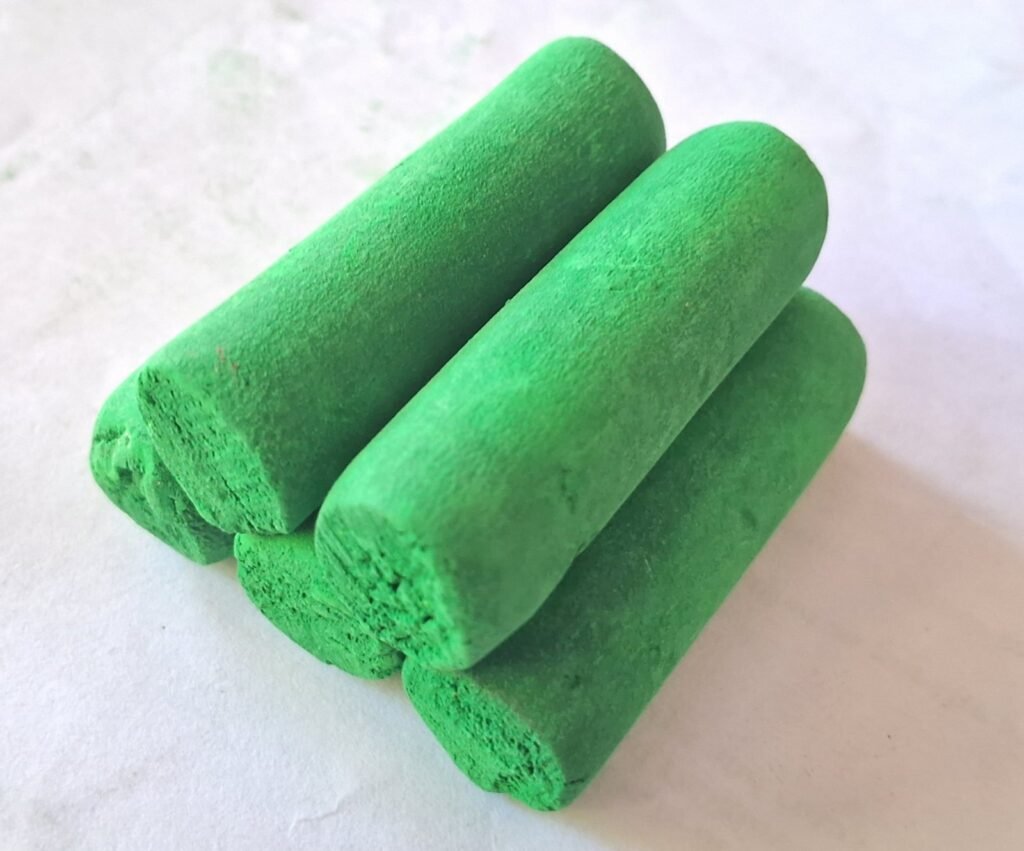
- Namakatti, a traditional marking item kept by many families
- Fresh flowers and a small plate for offerings
For a full list, see our pooja items list for home. You can also browse the pooja items category, where local sellers on ShopC list wicks, camphor and other daily essentials.
Frequently asked questions
Here are quick answers to questions many families ask about wicks.
Which is the best cotton wick for lamp use every day?
A plain white cotton wick is the most common daily choice. Pick round wicks for small lamps and long flat wicks for the kuthu vilakku.
Why do some families use yellow or red wicks?
Yellow and red wicks are traditionally used on special days as per family custom. The choice is based on belief and tradition, so follow what your elders prefer.
Can a half-burnt wick be reused?
Yes, many families reuse it after pinching off the burnt end. Replace it when it becomes too short or hard to light.
More from the blog
Cotton Saree Care in Monsoon: Wash, Dry and Store the Right Way
Simple cotton saree care tips for the rainy season: gentle washing, how to dry cotton sarees indoors…
View more →
Protect Phone in Rain: Simple Monsoon Phone Care Tips at Home
Learn how to protect phone in rain with a mobile rain cover, simple monsoon phone care habits, wet p…
View more →
Herbal Tea for Rainy Days: Warm Drinks for Monsoon Evenings
Herbal tea for rainy days: how to brew hibiscus tea, blue pea tea and sukku malli coffee at home, wi…
View more →